
Grilling a steak to perfection on a gas BBQ involves a combination of proper preparation, temperature control, and precise timing.
As the sun sets on a warm summer evening, the tantalizing aroma of sizzling steaks wafts through the air, beckoning all to gather around the grill. Grilling a steak to perfection is an art form that requires finesse, technique, and a touch of culinary intuition. While there are various methods to achieve a mouthwatering steak, mastering the art of grilling on a gas BBQ can elevate your cooking game to new heights.
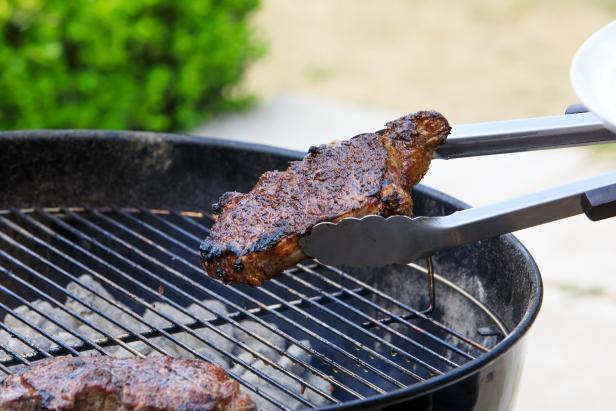
In this article, we will unravel the secrets to achieving that delectable sear, tender juiciness, and smoky flavor that will leave your taste buds in awe. So, grab your apron, preheat the grill, and prepare to embark on a culinary adventure that will transform your backyard into a steak lover’s paradise.
Mastering the art of grilling involves finding the perfect balance between raw meat and overcooked toughness. In the past, before the convenience of kitchen thermometers, cooks relied on their senses to determine doneness. They would assess the color of the meat’s surface and its firmness when gently pressed. In fact, seasoned chefs would compare the feel of a medium-rare steak to the fleshy area beneath your thumb when you form an “OK” gesture.
The challenge lies in finding the narrow temperature range where meat is cooked thoroughly, while still retaining its juicy interior without becoming overly charred on the outside. Fortunately, with the aid of a reliable thermometer that provides real-time updates and alerts, you can eliminate the need for guesswork. This allows you to closely monitor the grilling process and confidently step away from the grill, knowing exactly what is happening at each stage.
Our top pick for grill : Char-Broil Performance 475
The Char-Broil Performance 475 is built with a durable stainless steel lid, handle, control panel, and side shelves. This construction ensures longevity and resistance to rust and corrosion, making it a reliable option for outdoor use.
The grill provides a total cooking area of 475 square inches, with primary cooking space of 375 square inches and an additional 100 square inches on a swing-away warming rack. This ample space allows you to cook multiple steaks simultaneously or accommodate larger cuts of meat.
The grill includes a removable grease pan that collects drippings and makes cleaning hassle-free. The porcelain-coated grates are also relatively easy to clean and maintain.
Additionally, the independently adjustable burners allow you to create different heat zones, enabling you to tailor the cooking process to achieve different levels of doneness for various cuts of steak.

While the Char-Broil Performance 475 may not have all the high-end features of more expensive models, it offers a reliable and efficient grilling experience at an affordable price point. It is particularly suitable for individuals or families who prioritize a good balance between performance, durability, and affordability when grilling steaks.
How to select the perfect cut of meat for your steak
When it comes to grilling steak, there are several cuts that are well-suited for this cooking method. Here are some popular cuts of steak that are known for their delicious results on the grill.
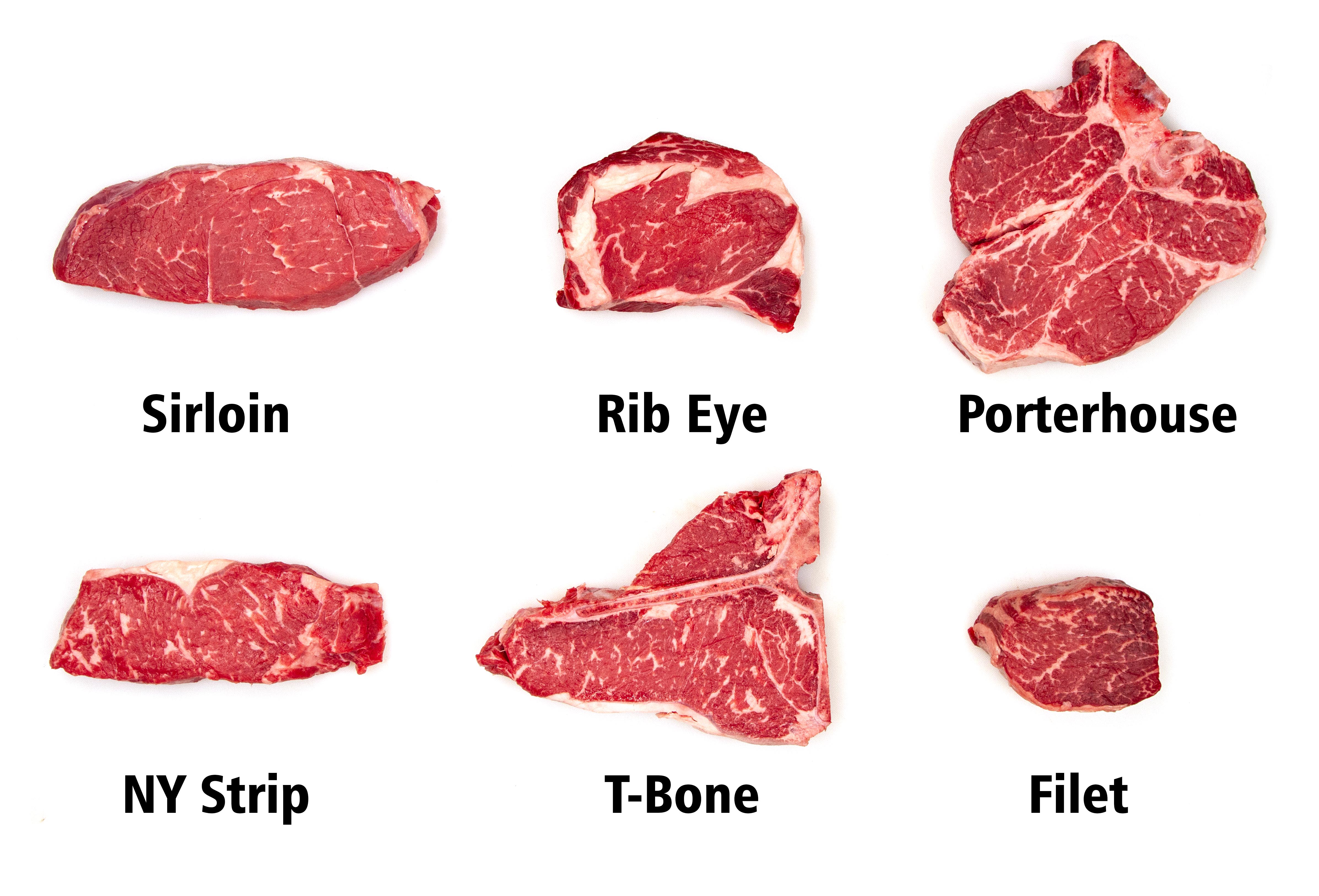
Ribeye
Ribeye steak is highly regarded for its rich marbling, which enhances the flavor and tenderness. The fat content helps to keep the meat juicy and flavorful during the grilling process. It is a popular choice for those seeking a well-marbled and flavorful steak.
New York Strip
Also known as strip or sirloin steak, the New York Strip is a tender and flavorful cut. It has a good balance of fat and lean meat, resulting in a juicy yet a slightly firmer texture. Its robust flavor and tenderness make it a favorite for grilling.
Filet Mignon
Considered one of the most tender cuts of steak, filet mignon is prized for its tenderness and buttery texture. It has minimal fat marbling, which makes it leaner compared to other cuts. Grilling filet mignon brings out its delicate flavor and creates a nice char on the outside while maintaining its tender interior.
T-Bone
The T-Bone is a combination of two cuts—the tenderloin (filet mignon) and the strip. It offers the best of both worlds, with a tender portion from the tenderloin and a flavorful section from the strip. The T-Bone is often larger in size and is a popular choice for those who enjoy both tender and meaty portions.
Porterhouse
Similar to the T-Bone, the Porterhouse steak is a larger cut that includes both the tenderloin and strip steak. The main difference is that the Porterhouse has a larger portion of tenderloin, making it ideal for those who prefer a larger filet mignon alongside a strip steak.
Ingredients
To make a BBQ grilled steak, you will typically need the following ingredients:
- Steak: Choose your preferred cut of steak, such as ribeye, sirloin, New York strip, or filet mignon. The thickness of the steak is a matter of personal preference.
- Salt and pepper: Use kosher salt and freshly ground black pepper to season the steak. This enhances the natural flavors of the meat.
- Olive oil or vegetable oil: Oil the steak lightly to prevent sticking to the grill and promote a beautiful sear.
Optional ingredients for marinades or rubs:
- Marinade: You can marinate the steak to infuse it with additional flavors and tenderize the meat. Common marinade ingredients include soy sauce, Worcestershire sauce, garlic, herbs, and spices.
- Dry rub: A dry rub is a mixture of spices and herbs applied to the steak before grilling. It adds depth of flavor and can consist of ingredients like paprika, cumin, garlic powder, onion powder, chili powder, and dried herbs.
These are the basic ingredients needed for a simple BBQ grilled steak. Feel free to adjust the seasonings and add other ingredients according to your personal taste preferences and desired flavor profile.
How to make the marinade
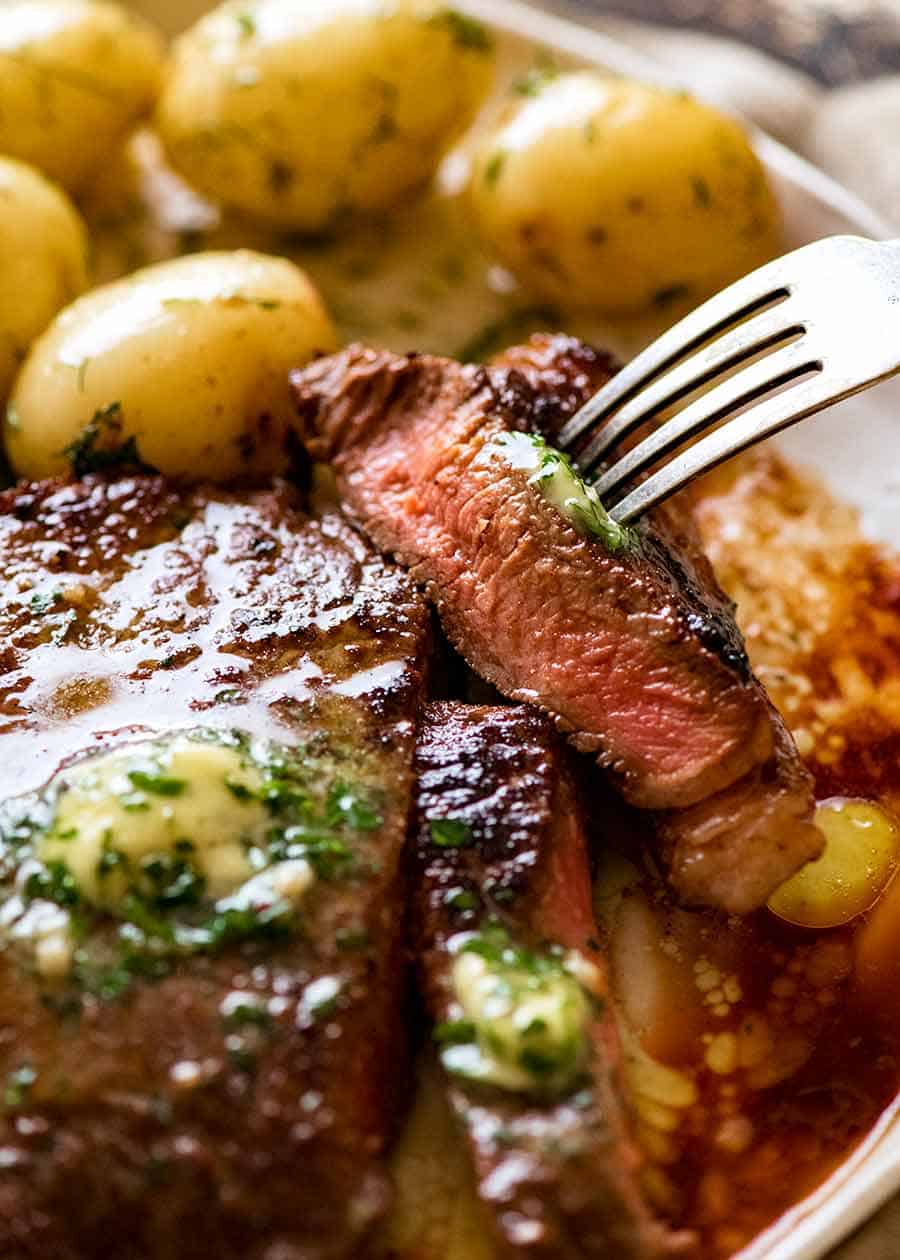
Marinades are a fantastic way to add flavor and enhance the tenderness of a grilled steak. They consist of a combination of liquid ingredients, such as soy sauce, Worcestershire sauce, vinegar, citrus juice, or even beer, along with herbs, spices, and aromatics.
To create a marinade, simply combine the desired ingredients in a bowl or a resealable bag, and whisk or shake them together until well combined. Place the steak in the marinade and ensure it is fully coated. Cover or seal the container and refrigerate for a recommended time (typically 30 minutes to overnight) to allow the flavors to penetrate the meat.
Keep in mind that marinating times may vary depending on the thickness of the steak and the desired intensity of the flavors. It’s essential to follow food safety guidelines and marinate the steak in the refrigerator, not at room temperature, to prevent bacterial growth.
When ready to grill, remove the steak from the marinade and discard any excess marinade. Allow the steak to come to room temperature before grilling for more even cooking. Patting the steak dry with a paper towel helps promote better browning and searing on the grill.
Steps to a perfect grilled steak
Preheating the gas BBQ is essential to ensure that the grates reach the desired temperature for searing. This process usually takes about 10-15 minutes. It allows the grates to become hot enough to create a flavorful crust on the steak and helps with even cooking.
:max_bytes(150000):strip_icc()/Simply-Recipes-Grilling-Meat-Guide-LEAD-07-TomahawkSteak-34ea6b017b4645a28c243b14aedb85d0.jpg)
Bringing the steak to room temperature before grilling helps to ensure even cooking throughout the meat. Allowing it to sit out for 30 minutes to an hour allows the steak to cook more evenly and prevents a cold center. Patting the steak dry with a paper towel removes any excess moisture, which can interfere with searing.
If your gas BBQ has multiple burners, setting up different heat zones provides more control over the cooking process. By turning off some burners and leaving others on, you create a hot sear zone and a cooler indirect heat zone. This setup allows you to sear the steak over high heat and then move it to a lower heat for further cooking without overcooking the exterior.
Placing the steak directly over the hottest part of the grill, usually the sear zone, creates the initial sear and grill marks. Closing the lid during this step helps trap the heat and infuse the steak with smoky flavors. Sear each side of the steak for 2-3 minutes without moving it to achieve a nicely caramelized exterior.
After searing, moving the steak to the cooler side of the grill, away from direct heat, allows for more gentle cooking to reach the desired doneness. Closing the lid at this stage creates a convection-like environment, helping the steak cook evenly on all sides. Use a meat thermometer to monitor the internal temperature and ensure accurate cooking.
Resting the steak after grilling is a crucial step that should not be skipped. Allowing the steak to rest on a cutting board for 5-10 minutes enables the juices to redistribute, resulting in a more tender and juicy steak. Resting also helps the steak retain its juices when sliced, preventing them from immediately running out.
Having patience is important when it comes to grilling meat, as it allows the energy absorbed by the meat to stabilize. After cooking, it is essential to let the steak rest for about 10 minutes under a foil tent to retain its warmth. Failure to do so may result in a dry piece of meat swimming in its own juices. When you’re ready to enjoy the steak, make sure to slice it against the grain, which is easily distinguishable on a flank steak.
Slicing the steak against the grain maximizes tenderness. Cutting against the grain means cutting perpendicular to the muscle fibers, which shortens them and makes the steak easier to chew. Serve the steak immediately, perhaps with a pat of butter or a drizzle of steak sauce, and enjoy the delicious results of your grilling efforts.
Precautions to take while grilling steak
While cooking steak on a gas grill, it’s important to take certain precautions to ensure a safe and successful grilling experience. Here are some key precautions to keep in mind:
- Clean and maintain your grill: Before cooking, make sure your gas grill is clean and free from any grease or debris. Regularly inspect and clean the burners, grates, and drip pan to prevent flare-ups and maintain optimal grilling conditions.
- Create a safe grilling environment: Ensure that your gas grill is set up in a safe area, away from any flammable objects or structures. Maintain a safe distance from overhanging branches, buildings, or other fire hazards.
- Use proper utensils and protective gear: Use long-handled tongs or spatulas to handle the steak and avoid using your hands directly. Wearing heat-resistant grilling gloves can also provide added protection against burns.
- Monitor the grill temperature: Keep an eye on the grill temperature throughout the cooking process. Adjust the burner settings as needed to maintain the desired heat level for searing and cooking the steak to your preferred doneness.
- Avoid excessive flare-ups: Flare-ups can occur when fat drippings from the steak come into contact with the flames. To prevent excessive flare-ups, trim excess fat from the steak and position it away from direct flames. If a flare-up occurs, move the steak to a cooler part of the grill temporarily until the flames subside.
- Use a meat thermometer: To ensure accurate cooking and achieve your desired level of doneness, use a meat thermometer to check the internal temperature of the steak. This helps you avoid undercooking or overcooking the meat.
Internal Temp of Steak
To check the internal temp of steak (and see if it is done to your liking or not) use an instant-read thermometer. Insert it into the thickest part of the steak. Here are the temperature ranges to look for (depending up on how you like your steak done):
- Rare (still quite red): 120 – 130 degrees
- Medium-Rare (pinkish red): 130 – 140 degrees
- Medium (pink): 140 – 145 degrees
- Medium-Well (a little pin): 145 – 155 degrees
- Well-Done (no pink): 160 degrees
What to serve with a grilled steak
When serving grilled steak, there are a variety of delicious side dishes that can enhance the flavors and create a well-rounded meal. One option is to include grilled vegetables alongside the steak. Bell peppers, zucchini, eggplant, asparagus, and corn on the cob are popular choices. Simply brush the vegetables with olive oil, season with salt and pepper, and grill them until tender and slightly charred.
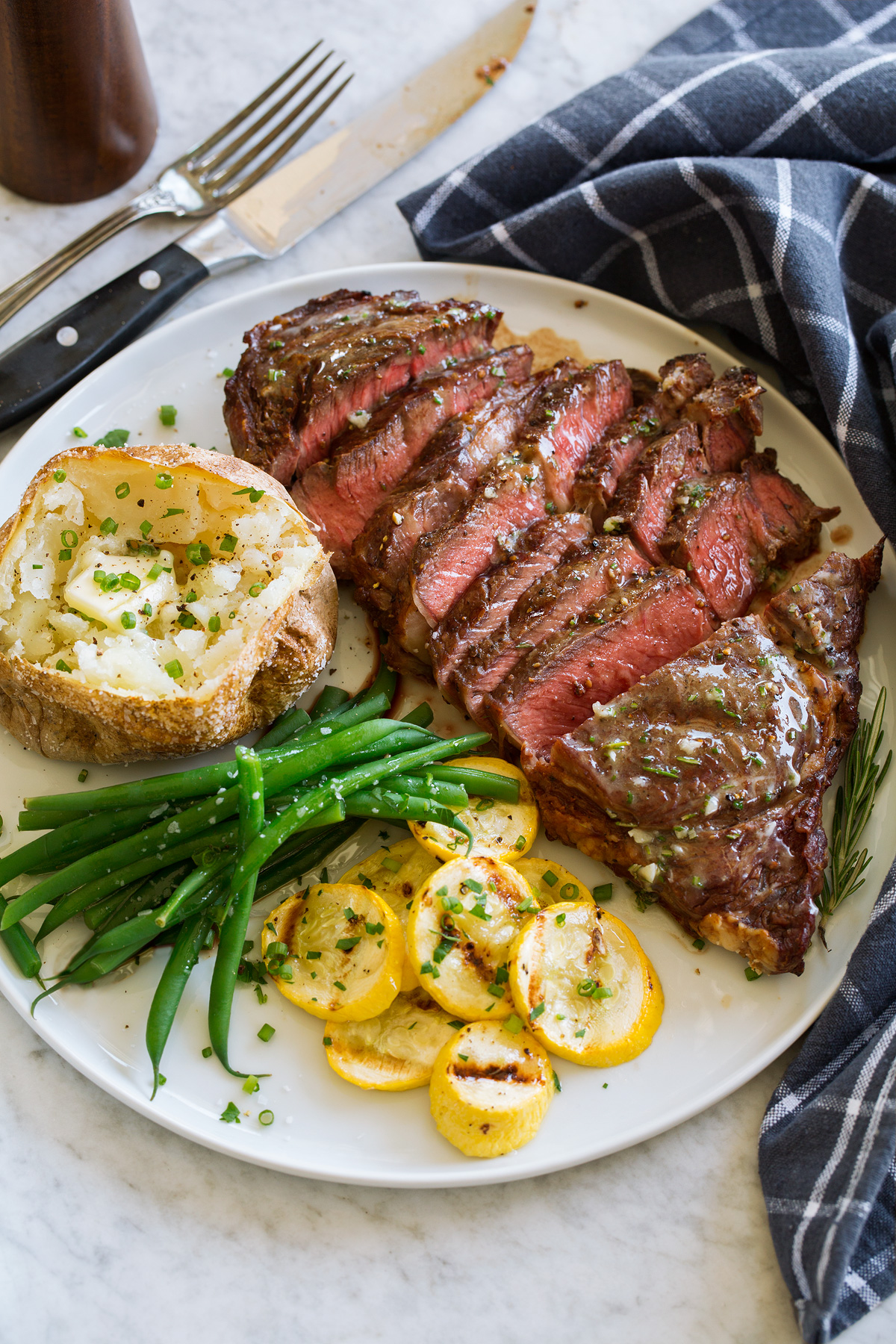
Classic baked potatoes are another great choice. Serve them with your preferred toppings, such as sour cream, chives, cheese, or bacon bits. Alternatively, you can grill potato wedges or make loaded potato skins for a twist on the traditional baked potato.
Adding a fresh salad to the meal provides a refreshing contrast to the richness of the grilled steak. Consider a classic Caesar salad with homemade dressing and croutons, a mixed green salad with cherry tomatoes and cucumbers, or a grilled vegetable salad for an extra smoky flavor.
A side of warm, garlic-infused bread or soft dinner rolls can be a delightful addition. You can grill them or prepare them in the oven for a crusty exterior and a soft, fluffy interior.
Roasted vegetables are also a great option. Roasting brings out their natural sweetness and provides a delicious side dish. Carrots, parsnips, sweet potatoes, Brussels sprouts, or a medley of seasonal vegetables can be roasted to perfection.
Including a side of cooked grains or rice can provide a hearty and nutritious base for your steak. Quinoa, wild rice, couscous, or pilaf are all great choices to consider.
To add extra flavor, serve a sauce or condiment alongside the grilled steak. Options like chimichurri, peppercorn sauce, garlic butter, or homemade steak sauce can complement the meat and elevate the dining experience.
Ultimately, the choice of side dishes will depend on personal preferences and the overall meal theme. Consider the season and any dietary restrictions of your guests. With a well-chosen combination of side dishes, the grilled steak will be the centerpiece of a memorable and satisfying meal.
Nutritional benefits of steak
Grilled steak offers several nutritional benefits that contribute to a well-rounded diet. It is an excellent source of high-quality protein. Protein is essential for building and repairing tissues, supporting muscle growth and maintenance, and promoting overall health.
Steak is a rich source of iron, particularly heme iron, which is highly bioavailable and easily absorbed by the body. Iron plays a crucial role in the production of red blood cells, carrying oxygen to cells and supporting energy production.
Steak contains naturally occurring creatine, a compound that plays a role in providing energy to muscles.
While steak does contain fat, it also provides a balance of saturated and unsaturated fats. Opting for lean cuts of steak and trimming excess fat can help reduce the overall fat content. Steak also contains healthy omega-3 fatty acids, which have been associated with various health benefits, including heart health.
Additionally, the way steak is cooked on the grill can influence its nutritional profile. Avoiding excessive charring or overcooking can help minimize the formation of potentially harmful compounds, such as heterocyclic amines (HCAs) and polycyclic aromatic hydrocarbons (PAHs).